May 14,2026
Exploring the Benefits of Adjustable Healthcare Nursing Beds for Recovery
Exploring the Benefits of Adjustable Healthcare Nursing Beds for Recovery
Understanding Adjustable Healthcare Nursing Beds
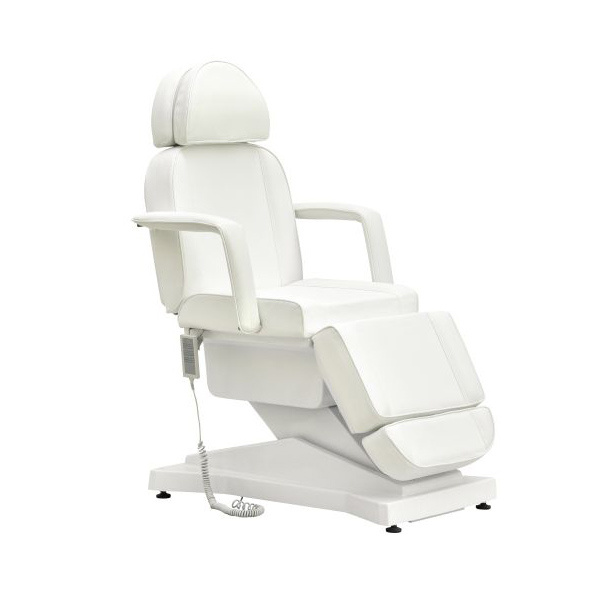
Adjustable healthcare nursing beds have revolutionized the way patients experience recovery in both hospital and home environments. These beds are designed with flexibility and comfort in mind, making them a cornerstone of modern patient care. Unlike traditional beds, adjustable nursing beds allow caregivers to elevate the head or foot of the bed, providing significant benefits for patient comfort and treatment efficacy.
What Makes Adjustable Nursing Beds Unique?
Adjustable nursing beds come equipped with various features that cater to the diverse needs of patients. Their design often includes:
- **Electric adjustments:** Users can effortlessly change the position of the bed using a remote control.
- **Height adjustments:** Many models allow adjustments to the overall height, making it easier for caregivers to assist patients.
- **Integrated support features:** Some beds come with side rails and support bars to enhance safety.
These characteristics not only improve the patient's experience but also assist healthcare providers in delivering optimal care.
The Importance of Comfort in Patient Recovery
Comfort plays a critical role in the recovery process. Research shows that when patients are comfortable, they experience less pain and a reduction in stress levels, both of which are essential for healing. Adjustable nursing beds help achieve this comfort through their customizable positions.
Reducing Pressure Ulcers and Bedsores
One significant benefit of adjustable nursing beds is their ability to reduce the risk of pressure ulcers and bedsores. By allowing for various positions, these beds help alleviate pressure on vulnerable areas of the body. This is particularly crucial for patients who may be bedridden for extended periods.
Promoting Blood Circulation
Adjustable nursing beds can contribute to improved blood circulation. Elevating a patient's legs, for example, can help reduce swelling and promote venous return. Better circulation leads to faster healing and a more comfortable recovery process.
Enhancing Mobility and Independence
One of the most empowering aspects of adjustable nursing beds is how they enhance patient mobility and independence. Patients can use the adjustable features to sit up or change positions without needing assistance, promoting a sense of autonomy.
Facilitating Daily Activities
Patients can perform daily activities more comfortably, such as eating, reading, or using a mobile device. Enhanced independence and mobility can lead to better psychological well-being, positively impacting the overall recovery journey.
Improving Caregiver Efficiency
Adjustable nursing beds not only benefit patients but also enhance caregiver efficiency. These beds can significantly reduce the physical strain on caregivers, who often lift or reposition patients multiple times a day.
Reductions in Physical Strain
With the ability to adjust the height and position of the bed, caregivers can more easily provide care without the risk of injury to themselves. This is especially important in settings with high patient turnover or in-home care scenarios.
Streamlining Patient Care Tasks
Tasks such as changing bed linens, administering medications, and performing hygiene activities become more manageable with adjustable beds. This efficiency translates to higher-quality care and better outcomes for patients.
Cost-Effectiveness of Adjustable Nursing Beds
Investing in adjustable healthcare nursing beds can lead to long-term savings for healthcare facilities and home care providers. Although the initial purchase cost may be higher than traditional beds, the benefits they provide often justify the investment.
Reducing Hospital Readmissions
By facilitating better recovery, adjustable nursing beds can help reduce hospital readmissions, which are costly for both patients and healthcare systems. Improved patient outcomes lead to fewer complications and decreased need for follow-up care.
Insurance Coverage and Reimbursement
Many insurance plans cover the cost of adjustable nursing beds, especially when deemed medically necessary. This makes them an accessible option for patients and healthcare providers alike.
Choosing the Right Adjustable Nursing Bed
Selecting the appropriate adjustable nursing bed involves considering several factors to meet the specific needs of patients.
Assessing Patient Needs
It's crucial to evaluate the individual requirements of the patient. Factors such as age, mobility level, and specific medical conditions should guide the selection process.
Key Features to Look For
When shopping for adjustable nursing beds, consider features such as:
- Weight capacity
- Adjustability options
- Material quality
- Safety features (e.g., side rails, locking mechanisms)
Frequently Asked Questions (FAQs)
1. What is an adjustable healthcare nursing bed?
Adjustable healthcare nursing beds are specialized beds designed to allow changes in position for improved patient comfort and care.
2. How do adjustable nursing beds help with recovery?
They enhance comfort, reduce pressure sores, improve blood circulation, and allow for easier mobility, all of which contribute to a faster recovery process.
3. Are adjustable nursing beds covered by insurance?
Many insurance plans cover adjustable nursing beds, especially when prescribed by a healthcare professional as medically necessary.
4. Can adjustable nursing beds be used at home?
Absolutely. These beds are suitable for both hospital and home use, allowing patients to recover comfortably in their own environment.
5. What features should I consider when purchasing an adjustable nursing bed?
Key features include adjustability options, safety features, weight capacity, and overall durability.
Conclusion
Adjustable healthcare nursing beds represent a significant advancement in patient care, providing numerous benefits that enhance recovery while promoting patient comfort and independence. Investing in these beds not only improves the quality of care but also supports healthcare providers in their essential work. By understanding the features, advantages, and considerations involved, patients and caregivers can make informed decisions that set the stage for effective recovery and overall well-being.