Nov 09,2026
Exploring the Benefits of Hydrotherapy Spa Massage Beds in Healthcare Settings
Hydrotherapy spa massage beds have become increasingly popular in the healthcare and wellness industries, offering a unique combination of water therapy and massage techniques. These beds are designed to deliver therapeutic benefits that can aid in pain relief, relaxation, and overall well-being. By understanding the mechanics and advantages of hydrotherapy spa massage beds, healthcare professionals can better integrate these tools into their practice.
At the core of hydrotherapy spa massage beds is their ability to utilize water as a medium for delivering relaxation and health benefits. The gentle flow of water helps to soothe muscles, reduce tension, and promote circulation. This feature is particularly beneficial for clients suffering from chronic pain conditions, arthritis, or muscle stiffness. The warm water envelops the body, providing comfort and enhancing the massage experience, making it an ideal choice for rehabilitation centers and wellness spas.
One of the key advantages of hydrotherapy spa massage beds is their versatility. They offer a range of settings that allow practitioners to customize the massage experience according to individual patient needs. By adjusting water temperature, pressure, and massage patterns, healthcare providers can create personalized treatment plans that align with specific therapeutic goals. This adaptability ensures that clients receive a tailored experience, which can significantly improve treatment outcomes.
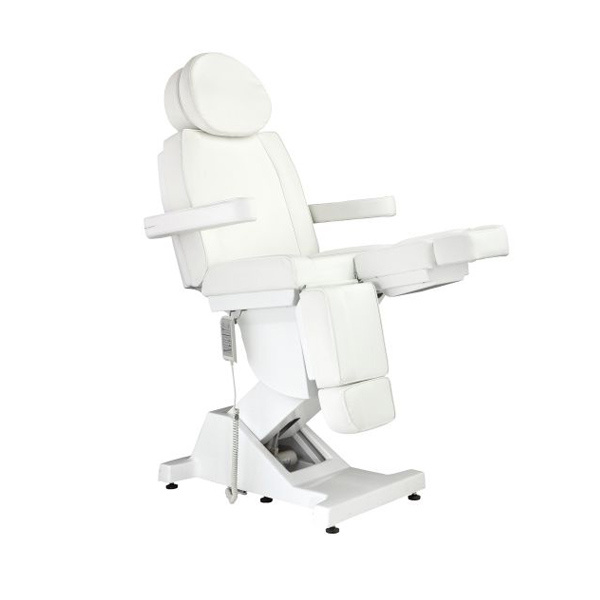
Moreover, hydrotherapy spa massage beds typically come equipped with features that enhance usability and convenience. Many models include remote controls for easy operation, allowing practitioners to adjust settings without interrupting the flow of the session. Additionally, the ergonomic design of these beds ensures patient comfort while facilitating easy access for therapists. Such features not only promote an efficient working environment but also elevate the overall client experience.
Incorporating hydrotherapy spa massage beds in a practice can also be a marketing advantage. As more clients seek holistic and alternative therapies, offering such innovative equipment can set a healthcare provider apart from competitors. It can attract a broader clientele interested in exploring the benefits of water-based therapy, thus expanding the potential for revenue growth.
In conclusion, hydrotherapy spa massage beds represent a valuable investment in the healthcare and wellness sectors. Their ability to provide therapeutic benefits, coupled with customizable options and user-friendly features, makes them an essential tool for professionals in massage and wellness equipment. By embracing these innovative beds, practitioners can enhance patient care, improve treatment outcomes, and elevate the overall therapeutic experience. As the demand for holistic therapies continues to grow, integrating hydrotherapy spa massage beds into practice can be a strategic move for healthcare providers seeking to advance their offerings.